Google Core Update: How to Identify the Impact and Respond the Right Way
Traffic drops overnight. Rankings that held for months suddenly shift. The first question is usually the same: was it a Google core update, or did something break on the site? The answer determines everything that follows. This guide helps you work through the diagnosis and respond without overreacting.
What Is a Google Core Update?
Google describes core updates as "significant, broad changes to our search algorithms and systems" designed to surface more helpful, reliable results for searchers (Google Search Central, 2024). They happen several times a year and are announced publicly on the Google Search Status Dashboard when a rollout begins and again when it ends.
The most important point: a core update is not a penalty directed at your site. Google's systems reassess how content quality is evaluated across the entire index. When some pages lose visibility and others gain it, that reflects a shift in how the algorithm weighs quality signals, not a judgment that a specific site violated any rule. A page that drops was not necessarily doing anything wrong. More often, competing pages improved enough that the algorithm's revised assessment now favors them. The change is relative, not absolute.
This distinction matters because the correct response to a penalty (addressing a specific policy violation) is completely different from the correct response to a core update (improving content quality over time). Mixing them up leads to wasted effort and misplaced urgency. For readers who want a solid grounding before going further, understanding what search engine optimization actually involves provides useful context on why organic visibility works the way it does.
Core Update or Something Else? A Traffic Drop Diagnosis
A sudden drop in organic traffic rarely comes with an obvious label. Before concluding a core update is the cause, rule out the more common alternatives. Each cause has a distinct fingerprint, and each points toward a different first action.
| Traffic Drop Pattern | Likely Cause | Where to Verify | First Action |
|---|---|---|---|
| Sudden site-wide drop on one specific day | Technical issue: server error, crawl block, or accidental noindex directive | GSC Coverage report; server access logs | Fix the technical issue and submit a recrawl request |
| Drop on specific pages; Google Search Console shows a manual action notification | Manual action (unnatural links, policy violation, or spam) | GSC Manual Actions report | Address the specific violation and submit a reconsideration request |
| Drop timing aligns with a confirmed announcement on the Google Search Status Dashboard | Core update | Google Search Status Dashboard (confirmed rollout window) | Wait for rollout completion; then analyze GSC data by page and query |
| Gradual drop over several weeks with no Google announcement | Ongoing algorithm refinement or competitor content improvement | GSC Performance: compare 28-day blocks month over month | Audit content freshness and quality gap versus ranking competitors |
| Drop immediately follows a site migration, URL restructure, or CMS change | Technical SEO issue: broken redirects, lost canonicals, or crawl errors | GSC Coverage; redirect audit with a crawl tool | Verify and fix redirects; recheck canonical tags and indexing status |
If the timing of your drop does not align with a confirmed update window and Search Console shows crawl errors or a manual action notification, a core update is almost certainly not the cause. Treating the right problem with the right response saves significant diagnostic time.
How to Confirm a Core Update Affected Your Site
Once you have checked the Google Search Status Dashboard and confirmed the timing aligns with an announced update, open Google Search Console and run a structured comparison. According to Google's own guidance, wait until the rollout is fully complete before drawing any conclusions (Google Search Central, 2024). Ranking fluctuations during an active rollout are normal and will not settle until the update has fully propagated.
For the comparison itself:
- Compare the week immediately before the update began against the first full week after it finished
- Segment by page type: blog posts, service pages, product pages, and landing pages often behave differently
- Check which queries lost impressions or clicks, not just aggregate traffic numbers
- Note whether the drop concentrates on a specific content category or spreads across the entire site
A site-wide drop with no clear page-level pattern often points to signals evaluated at the domain level. A drop concentrated in one content type suggests the update recalibrated quality signals for that format specifically.

In practice, Google's search results pages also change over time, and those changes affect what rank-tracking tools report. Knowing how Google's SERP changes affect rank tracking and the data your tools display helps you interpret unusual readings correctly during rollout windows.
What a Sensible Recovery Looks Like (and What to Skip)
Google is explicit about the timeline: "some changes can take effect in a few days, but it could take several months" (Google Search Central, 2024). In our experience, the next core update is often the first point at which improvements fully register in rankings—though Google does not announce updates in advance and timing can vary considerably. Working with that reality means making changes that are genuinely worth making, not chasing short-term ranking shifts.
Steps that consistently move the needle:
Evaluate the pages that lost rankings alongside the pages that gained those rankings. What does the content that moved up offer that yours does not? Common differentiators include first-hand expertise on the topic, specific direct answers to the reader's actual question, original analysis rather than a summary of existing sources, and better-organized information. The ranking signals revealed in the Google SEO leak give a useful view into the factors Google weighs internally, which helps prioritize where to focus improvement work.
Update outdated information. Pages with stale statistics, obsolete recommendations, or expired references carry weaker trust signals. Refresh factual content with current sources and cite them explicitly.
Consolidate thin content. Multiple short pages covering overlapping topics often perform better when merged into one more complete resource. For a practical framework covering what on-page signals actually matter, the on-page SEO guide covers the fundamentals in depth.
Steps that typically do not help:
Changing meta titles or reshuffling paragraphs without improving the underlying information is surface-level work. The algorithm assesses the usefulness of a page as a whole, not individual optimization signals in isolation.
Making major content changes while an update is still rolling out is counterproductive. Rankings fluctuate during the rollout window and changes made mid-rollout are impossible to evaluate cleanly. Wait for the completion announcement, then begin response work.

Principles That Outlast Any Algorithm Change
Core updates do not change what good content is. They change how accurately Google identifies it. That distinction points toward a durable strategy: build content that fully serves the reader's actual question, demonstrate first-hand knowledge on the topic, cite credible sources, and keep information current as the subject evolves.
A few habits that hold value across every update cycle:
- Track a performance baseline. Know the typical impressions, click-through rate, and average position for your most important pages before an update begins. Without a baseline, you cannot measure impact accurately or distinguish a core update hit from normal seasonal variation.
- Review content by purpose, not volume. A site with fewer, more thorough pages on each topic tends to be more resilient than one with many thin pages covering the same ground from slightly different angles.
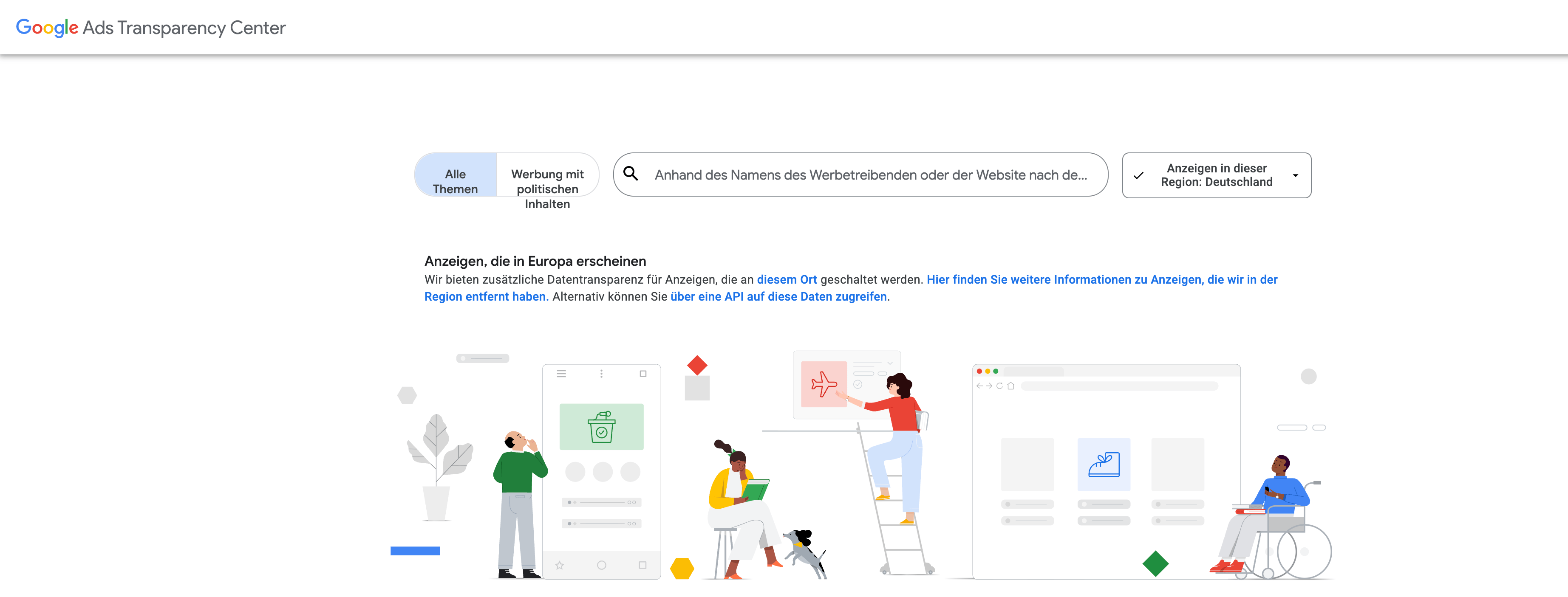
- Separate organic from paid performance. Core updates affect organic search results. Google Ads campaigns are not influenced by algorithm changes. If paid traffic holds steady while organic drops during an update window, that is a hint you may be dealing with a ranking recalibration rather than an audience-level problem—though a technical issue such as a noindex directive or crawl block can also leave paid traffic unaffected, so organic data should still be checked independently.
- Write for the reader first. Google's stated aim has been consistent: to surface content that is helpful, reliable, and created primarily for people rather than for search engines (Google Search Central, 2024). Sites that answer the full scope of a question and show genuine expertise on the topic tend to be more resilient across update cycles. The direction of improvement is stable, even when the specific outcome of any one update is not predictable in advance.