

Agentic Commerce
Agentic commerce is a model of digital trade in which autonomous AI agents research products or services, compare options, and initiate or complete transactions on a user's behalf, with minimal active involvement at each step. The agent acts on instructions the person provided upfront; searching, filtering, and requesting happen without the user intervening at each decision point.
How Agentic Commerce Differs from Related Concepts
Two terms appear frequently alongside agentic commerce and are worth distinguishing. The first is Agentic SEO: the discipline of optimizing your content so AI agents can find, evaluate, and recommend it. Agentic SEO is about discoverability. Agentic commerce is what happens after discovery. The agent does not just surface your offer; it acts on it. An agentic SEO strategy prepares your content to be cited; an agentic commerce strategy prepares your product or service to be purchased or inquired about, without a human clicking through.
The second neighboring concept is AI-powered recommendation, where a system suggests items to a human who still clicks and pays. That is a recommendation layer placed on top of a human decision. In agentic commerce, the agent also handles execution. The user's decision was made when they defined the agent's task and constraints, not at checkout.

Example: Agentic Commerce in a B2B Procurement Workflow
Illustrative scenario, no real customer figures: A procurement manager instructs an AI assistant to find a project management tool for a team of 20, within a defined budget ceiling, with an API connection to their existing ERP system, and GDPR-compliant data storage in the EU. The agent queries vendor websites, reads pricing pages and integration documentation in structured form, filters out any option that fails one of the criteria, and produces a shortlist of three. For the top-ranked option it submits a contact form requesting a demo. The manager reviews a shortlist and a scheduled appointment, without having opened any vendor website.
For that workflow to succeed, the vendor's website must expose machine-readable data: a pricing table the agent can parse, integration requirements in structured text, and enough schema markup for the agent to verify compliance criteria. A page that buries key facts inside hero images, PDF downloads, or slider carousels is effectively invisible to an agent evaluating it programmatically.
Why It Matters for Your Website
If an AI agent cannot confirm your pricing, scope, or availability without human assistance, it moves on to a competitor that made that information accessible. That is not a ranking problem in the traditional search sense; it is a readability problem. Agentic commerce rewards websites with structured data, explicit service or product descriptions, and a contact or purchase path an agent can follow without ambiguity.
Two practical starting points: add an llms.txt file to your website root to signal to AI systems what your site offers and how to interpret it, and apply Schema.org markup to your product and service pages so agents can match your offer against a buyer's criteria in a vocabulary they already understand. Sites that take these steps earlier are more likely to appear in an agent's shortlist before the human ever reviews their options.


Aleksey Rogalev
Aleksey is founder and managing director of marketer UX. As an expert in sales, SEO, and Google Ads, he regularly publishes new articles and videos to make these topics accessible to anyone who wants to take their marketing to the next level.
Tailored solutions
Discover selected topics and services related to web design, Webflow, and lead generation. Quickly find the right starting point for your next project.
Articles & Resources

Google Core Update: How to Identify the Impact and Respond the Right Way

Marketing Attribution Models: Which Channel Really Brought the Lead?

Core Web Vitals: How to Improve LCP, INP, and CLS in Practice

Offline-Conversions und erweiterte Conversions: Google Ads mit echten Abschlüssen füttern
B2B Google Ads: The Most Common Mistakes and How to Stop Wasting Budget

Weglot and PHP2Shell: What Weglot Users Need to Check Now

Webflow and PHP2Shell: Why Webflow Websites Are Not Affected

PHP Security Vulnerability PHP2Shell: Why Hundreds of Websites Went Offline

SEO Freelancer or SEO Agency: Which One Fits Your Business?
AI SEO: What Really Changes With AI-Powered Search

Full Self-Driving as a team event: What Tesla’s AI teaches us about trust and innovation
How Long Does SEO Take? Realistic Timelines and What to Expect

Online Advertising: Channels, Costs and First Steps (2026 Overview)

Optimize Your Landing Page: More Enquiries from the Same Traffic
On-Page SEO: The Complete Guide to On-Page Optimization (with Checklist)

Integrating a CRM into your website - how it generates leads

Webflow websites for companies: Is it worth it in 2026?

How does a website win new customers?

Webflow CRM Integration: How We Connected Webflow with Microsoft Dynamics 365

SEO: What is Search Engine Optimization and How Does It Work?
Google Ads Transparency Center
Framer vs. Webflow 2026: Which Website Builder Wins the Duel?

Typography in UI/UX Design: More Than Just Pretty Type

UI/UX Trends 2025: What Companies Need to Know Now to Stay Relevant

From WordPress to Webflow — How ACO left its “update hell” and became a premium brand

The future is now: What the Webflow Conference 2025 really means for marketers
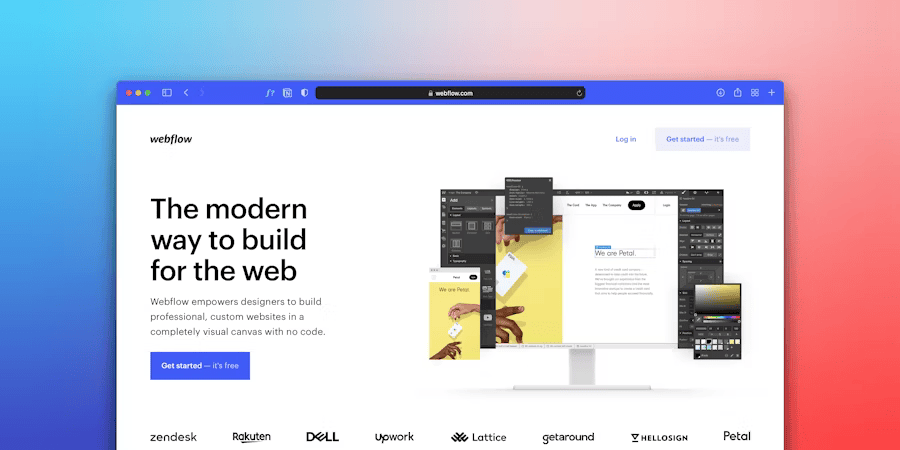
Game changer: Webflow real-time collaboration is here — and it's changing everything

Google Disables #num=100: What the Change Means for SEO, Rank Tracking & Tools

llms.txt: Why this small file determines your future visibility on Google & Co.
Build a website with AI
Webflow agency: Why the right partnership is decisive for your digital success

Building an online shop: From retail store to online shop — your practical guide for a successful start

Webflow & llms.txt: Our practice test shows what it really does

Webflow SEO optimization: 15 advanced strategies for maximum visibility

Barrier-free & GDPR-compliant: How iubenda supports companies in implementing ASA

Webflow vs. Storyblok: 10× SEO boost for SMEs

Accessibility Strengthening Act 2025: The new obligation for digital accessibility

Monitored and exploited: The shocking truth behind your online behavior!

Why no one has come up with the idea yet: The turbo trick with Google ads!

Success with Webflow: relounge.club & marketer UX

Expert explains: How much does advertising cost on Google? Sample calculation & analysis

Search engine optimization (SEO): At the top of Google in just 3 months

Is a blog still worthwhile in 2024?

Have a website created: How to find the perfect partner

NIO Marketing: How to achieve real customer loyalty through innovative strategies

Webflow Intellimize: AI-powered website optimization possible soon!

Google Seo Leak: Anyone can get to number 1!

Marketing psychology: Tesla website analysis

Latest Webflow Features and Updates 2024

The 10 most expensive domain names in the world

Local SEO: The ultimate tips to attract local customers

The power of color psychology in marketing and branding

Tesla's 2024 entry into paid advertising: First visible steps revealed

Webflow vs. WordPress 2026: The Ultimate Comparison

Tesla's new marketing strategy 2023

Chat GPT Revolution - How do you use it correctly?

Website Creation Cost: What to Budget Realistically in 2025/2026

Advertising on the Internet - Boost Your Business Potential Online
SEO Consulting: Process, Costs, and How to Choose the Right Advisor

How Klaus Hübner boosts his company's growth with online marketing

Top 10 Webflow features we've loved as an agency since 2017

Online marketing strategy: Achieving your goal in 6 steps

Marketing law firm: How to attract clients

What is a lead

Learn how to sell

B2B online marketing - That's how it works in business!

Redesign of the company website

Winning customers in the digital age
