

Call Tracking: What It Is and How It Works
Call tracking is a marketing analytics method that assigns unique phone numbers to individual campaigns, traffic sources, or website visitors to connect each inbound phone call to the specific ad, keyword, or channel that triggered it.
For service businesses where enquiries arrive primarily by phone, call tracking closes the attribution gap between an online campaign and its offline outcome. A click logged in an ad platform tells you little about whether that visitor followed up with a call and a booking.
Static and Dynamic Call Tracking
Static call tracking assigns a fixed, dedicated phone number to a specific marketing channel or campaign. A print ad, a landing page, and a Google Business Profile entry each display a different number. When that number rings, the source is immediately known.
Dynamic call tracking goes further. A short JavaScript snippet, called Dynamic Number Insertion (DNI), reads each visitor's source data and swaps the displayed phone number in real time. A visitor arriving from a paid Google Ads click sees a different number than one arriving from organic search, even on the same page. This attributes each call to a specific keyword, ad group, or session, not just a broad campaign. For a practical walkthrough of how call conversions fit into a Google Ads account, the guide to Google Ads optimization tactics covers conversion tracking setup in detail.

Call Tracking vs. Web Analytics and Call Recording
Call tracking is not a substitute for web analytics. Tools like Google Analytics 4 measure on-site behaviour before a conversion event: sessions, page paths, bounce rates, form interactions. Call tracking measures a conversion event that happens off the site, the phone call itself. The two work in parallel: web analytics documents the journey; call tracking records the outcome.
Call tracking is also not the same as call recording. Recording captures the spoken content of a conversation. Tracking captures metadata: which campaign generated the call, its duration, the time it occurred, and the caller's geographic area. Many platforms offer optional call recording alongside tracking, but the two functions are independent and each carries separate data protection obligations.
Example
Illustrative scenario (no real campaign data): A heating engineer runs two Google Ads campaigns. One targets "boiler repair" queries; the other targets "new boiler installation." Both campaigns direct visitors to the same website page. With dynamic call tracking enabled, each campaign displays a different phone number to its visitors. After four weeks, the repair campaign generates significantly more inbound calls than the installation campaign. The business uses this call volume data to reallocate its monthly budget toward the campaign that demonstrably converts visitors into callers, rather than relying on click estimates alone.
GDPR and Data Privacy
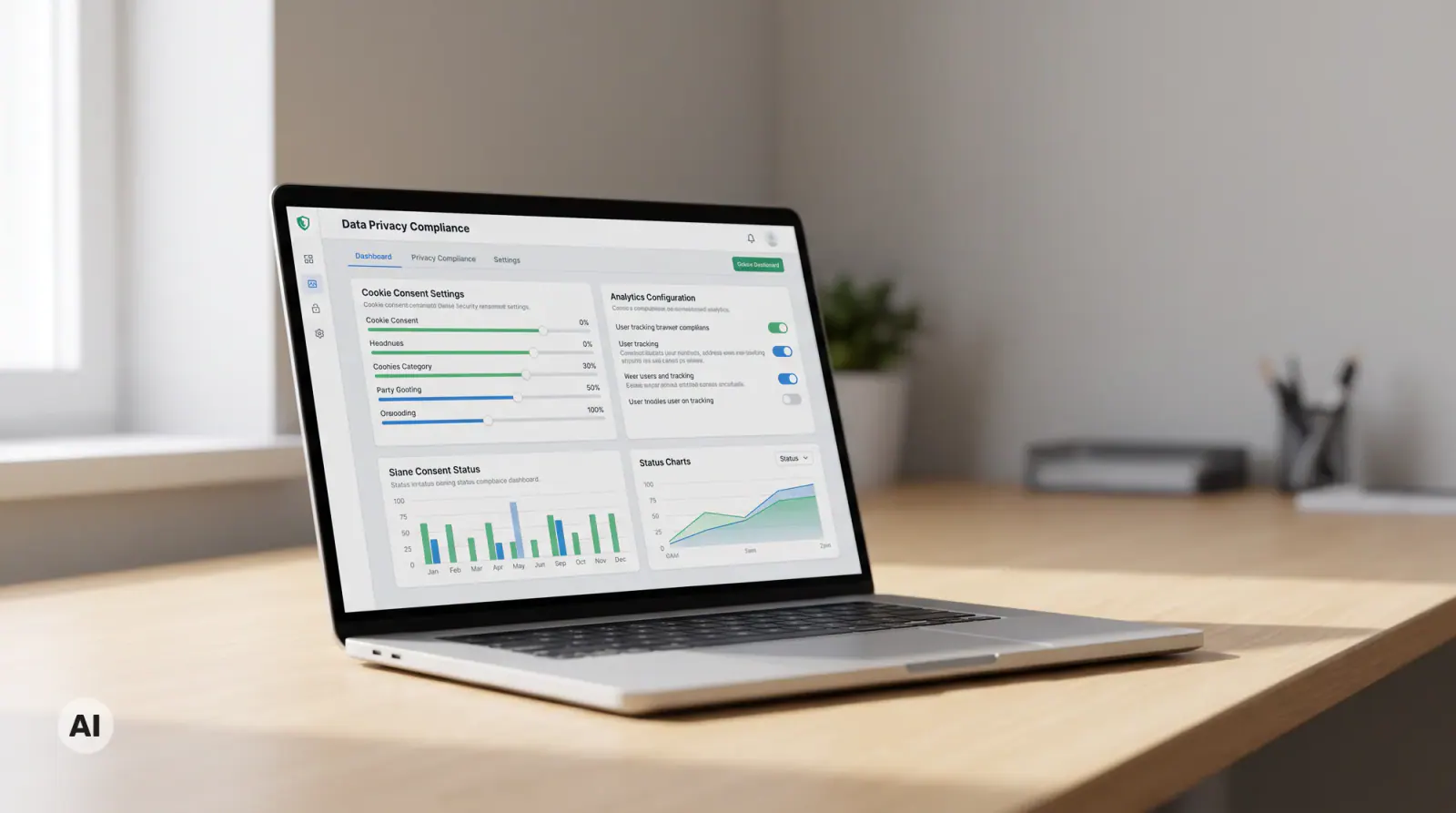
Under the GDPR (Regulation (EU) 2016/679), processing personal data requires a lawful basis. A phone call involves personal data whether what is captured is a recording or metadata such as call origin, duration, and caller location. Recording calls typically requires explicit, informed consent from the caller before the conversation begins. In Germany and several other EU jurisdictions, national law adds further obligations for recording private communications, independently of GDPR.
Call tracking that logs metadata only, without audio recording, commonly relies on legitimate interest (GDPR Art. 6(1)(f)) as its lawful basis, provided that interest is not overridden by the caller's fundamental rights. The processing must be disclosed in the privacy policy, and where the DNI script sets or reads cookies, the cookie consent banner must reflect that use. Consent management platforms, such as those described in the article on iubenda and GDPR compliance, can help manage the consent layer alongside call tracking. Always confirm the appropriate lawful basis and documentation with a qualified data protection advisor.
Why Call Tracking Matters
Phone calls remain the primary conversion route for many service businesses: trades, medical clinics, legal practices, financial advisors. When those calls are not reported back to the ad platform, the campaign algorithm optimizes for clicks or form submissions only, missing the signal from the contact type most likely to result in a booked appointment or a signed contract. Accurate call conversion data makes ad bidding more precise and reduces spend on keywords that attract clicks but no callers. Once call attribution is in place, the next step is connecting call records to contact data in a CRM, which the guide to integrating a CRM with your website covers in detail.
For service providers focused on a local catchment area, call tracking is especially useful for measuring whether local search visibility translates into actual enquiries. Call data feeds directly into decisions about local campaign budgets and keyword priorities, complementing the local presence work described in the guide to local SEO for service businesses.

Aleksey Rogalev
Aleksey is founder and managing director of marketer UX. As an expert in sales, SEO, and Google Ads, he regularly publishes new articles and videos to make these topics accessible to anyone who wants to take their marketing to the next level.
Tailored solutions
Discover selected topics and services related to web design, Webflow, and lead generation. Quickly find the right starting point for your next project.
Articles & Resources

Google Core Update: How to Identify the Impact and Respond the Right Way

Marketing Attribution Models: Which Channel Really Brought the Lead?

Core Web Vitals: How to Improve LCP, INP, and CLS in Practice

Offline-Conversions und erweiterte Conversions: Google Ads mit echten Abschlüssen füttern
B2B Google Ads: The Most Common Mistakes and How to Stop Wasting Budget

Weglot and PHP2Shell: What Weglot Users Need to Check Now

Webflow and PHP2Shell: Why Webflow Websites Are Not Affected

PHP Security Vulnerability PHP2Shell: Why Hundreds of Websites Went Offline

SEO Freelancer or SEO Agency: Which One Fits Your Business?
AI SEO: What Really Changes With AI-Powered Search

Full Self-Driving as a team event: What Tesla’s AI teaches us about trust and innovation
How Long Does SEO Take? Realistic Timelines and What to Expect

Online Advertising: Channels, Costs and First Steps (2026 Overview)

Optimize Your Landing Page: More Enquiries from the Same Traffic
On-Page SEO: The Complete Guide to On-Page Optimization (with Checklist)
Integrating a CRM into your website - how it generates leads

Webflow websites for companies: Is it worth it in 2026?

How does a website win new customers?

Webflow CRM Integration: How We Connected Webflow with Microsoft Dynamics 365

SEO: What is Search Engine Optimization and How Does It Work?
Google Ads Transparency Center
Framer vs. Webflow 2026: Which Website Builder Wins the Duel?

Typography in UI/UX Design: More Than Just Pretty Type

UI/UX Trends 2025: What Companies Need to Know Now to Stay Relevant

From WordPress to Webflow — How ACO left its “update hell” and became a premium brand

The future is now: What the Webflow Conference 2025 really means for marketers
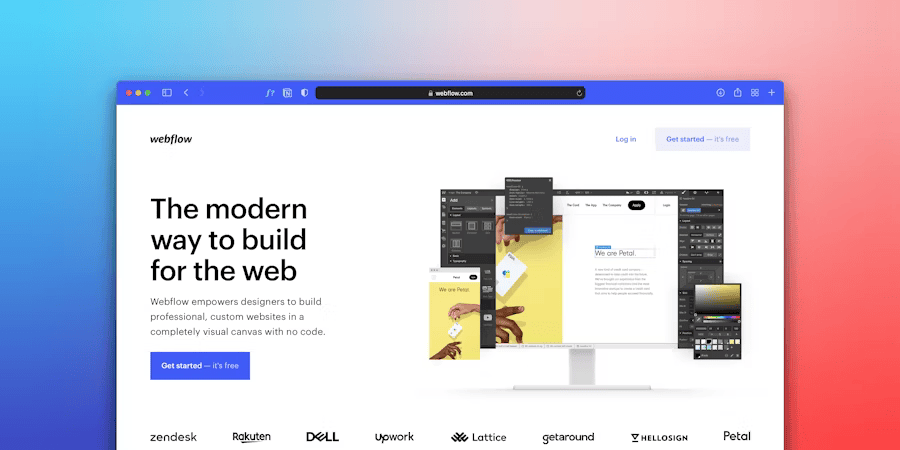
Game changer: Webflow real-time collaboration is here — and it's changing everything

Google Disables #num=100: What the Change Means for SEO, Rank Tracking & Tools

llms.txt: Why this small file determines your future visibility on Google & Co.
Build a website with AI

Webflow agency: Why the right partnership is decisive for your digital success

Building an online shop: From retail store to online shop — your practical guide for a successful start

Webflow & llms.txt: Our practice test shows what it really does

Webflow SEO optimization: 15 advanced strategies for maximum visibility
Barrier-free & GDPR-compliant: How iubenda supports companies in implementing ASA

Webflow vs. Storyblok: 10× SEO boost for SMEs

Accessibility Strengthening Act 2025: The new obligation for digital accessibility

Monitored and exploited: The shocking truth behind your online behavior!

Why no one has come up with the idea yet: The turbo trick with Google ads!

Success with Webflow: relounge.club & marketer UX

Expert explains: How much does advertising cost on Google? Sample calculation & analysis

Search engine optimization (SEO): At the top of Google in just 3 months

Is a blog still worthwhile in 2024?

Have a website created: How to find the perfect partner

NIO Marketing: How to achieve real customer loyalty through innovative strategies

Webflow Intellimize: AI-powered website optimization possible soon!

Google Seo Leak: Anyone can get to number 1!

Marketing psychology: Tesla website analysis

Latest Webflow Features and Updates 2024

The 10 most expensive domain names in the world

Local SEO: The ultimate tips to attract local customers

The power of color psychology in marketing and branding

Tesla's 2024 entry into paid advertising: First visible steps revealed

Webflow vs. WordPress 2026: The Ultimate Comparison

Tesla's new marketing strategy 2023

Chat GPT Revolution - How do you use it correctly?

Website Creation Cost: What to Budget Realistically in 2025/2026

Advertising on the Internet - Boost Your Business Potential Online
SEO Consulting: Process, Costs, and How to Choose the Right Advisor

How Klaus Hübner boosts his company's growth with online marketing

Top 10 Webflow features we've loved as an agency since 2017

Online marketing strategy: Achieving your goal in 6 steps

Marketing law firm: How to attract clients

What is a lead

Learn how to sell

B2B online marketing - That's how it works in business!

Redesign of the company website

Winning customers in the digital age
