

Perplexity AI
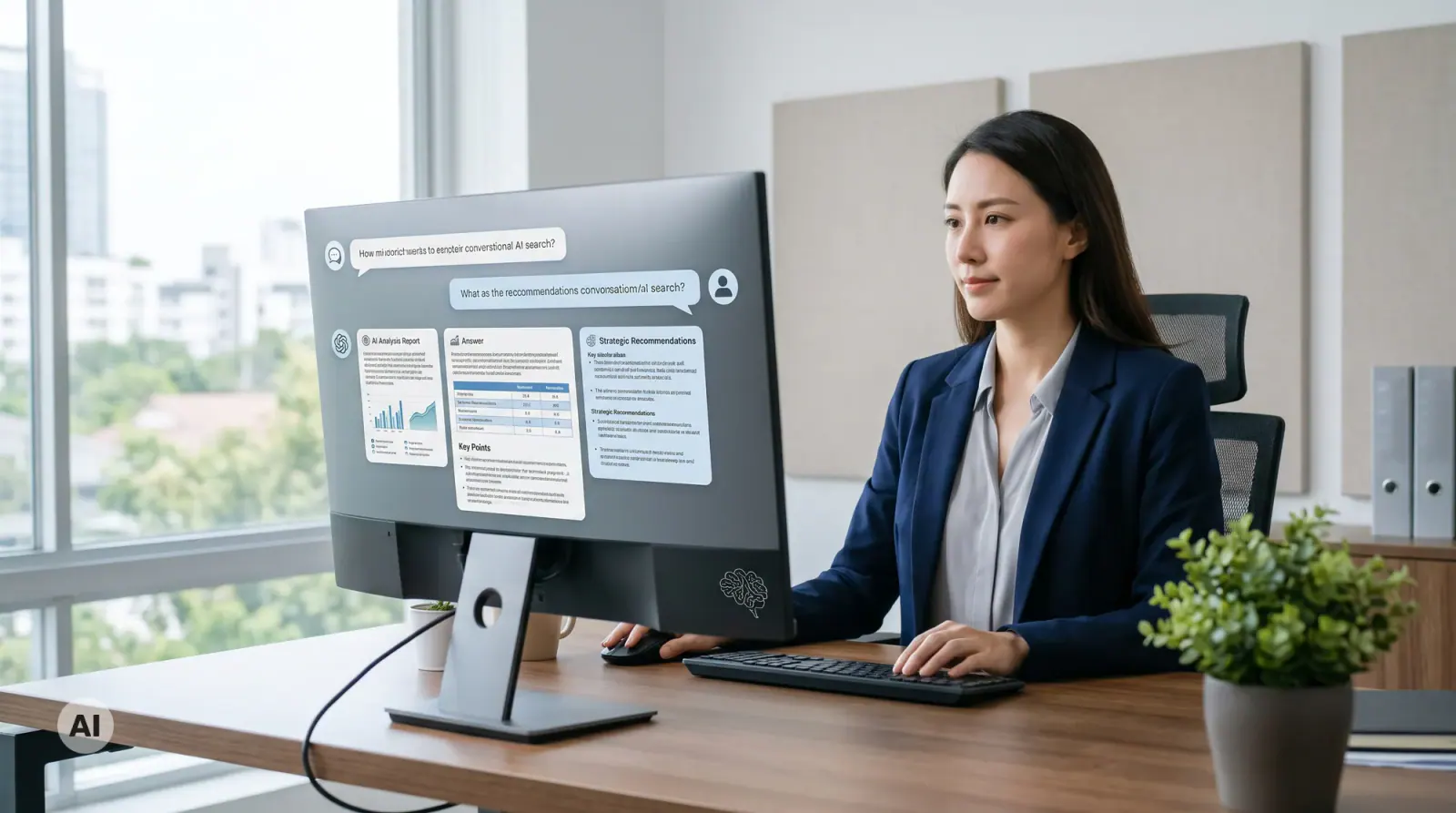
Perplexity AI is an AI-powered answer engine, founded in 2022, that returns a synthesized text response to any query with numbered inline citations linking back to the web sources it retrieved (Britannica, 2024). Instead of giving you a ranked list of pages to read, it reads them for you and shows you exactly where each claim comes from.
How Perplexity AI Works
When you submit a query, Perplexity AI runs a live web search, retrieves content from multiple source pages, and feeds that content to a large language model to generate a single cohesive answer. According to Perplexity's own documentation, the product integrates several frontier models, including versions of OpenAI's GPT and Anthropic's Claude, routing each query to whichever model best fits the task (Perplexity Help Center, 2024). The result is an answer with numbered superscripts tied to source URLs you can verify immediately.
A paid subscription (Perplexity Pro) adds a Deep Research mode, for in-depth research on complex topics. This is useful for open-ended questions that require comparing several independent sources across a topic.
Perplexity AI vs. ChatGPT vs. Google Search
Three terms regularly overlap in conversation, and the distinctions matter for anyone choosing the right tool.
Perplexity AI vs. ChatGPT: ChatGPT without its browsing tool draws on training data with a knowledge cutoff and does not retrieve live web sources for most queries. Perplexity runs a live web search for each query and returns its answer with numbered source citations throughout. Perplexity routes queries to models including OpenAI's GPT and Anthropic's Claude, whichever best fits the task (Perplexity Help Center, 2024). ChatGPT suits generation and reasoning tasks where training data is sufficient; Perplexity is designed for research tasks where current sources and attribution matter.
For a broader look at how AI answer engines are changing search visibility, the article on why a top search ranking is no longer the whole story is a useful next step.
Perplexity AI vs. Google Search: Google returns a ranked list of links for users to evaluate and read themselves. Perplexity returns a synthesized answer with the sources attached. Google gives you the evidence to form your own judgment; Perplexity gives you a first-pass synthesis of that evidence. Neither replaces the other: Perplexity's synthesis depends on the web that Google and others index.
Perplexity AI vs. the NLP metric "perplexity": In machine learning, perplexity is a measurement of how well a language model predicts a text sample. Perplexity AI the product takes its name from this concept but is a commercial search product, not a benchmark metric. If someone asks what a high perplexity score means, they are asking about the ML measurement, not the product.
Example: B2B Vendor Research with Perplexity
Example scenario, no real client data: a B2B marketing manager is evaluating three project management tools before a procurement shortlisting. Instead of opening each vendor's website separately, she queries Perplexity: "How do [Vendor A], [Vendor B], and [Vendor C] position themselves for mid-market operations teams?" Perplexity returns a short comparative paragraph with four numbered citations. She can see the consensus positioning in under a minute and click through only the one source that contradicts the others for deeper reading. The benefit is not that the answer is definitive; it is that the initial comparison is already done and every claim is traceable to a source.
Why It Matters for Marketers

Perplexity AI affects B2B marketers on two fronts. On the audience side, buyers who use Perplexity for vendor research may reach their shortlist without ever clicking a traditional search result. A high Google ranking remains important, but it no longer guarantees inclusion in what a buyer reads. As covered in the piece on why a top search ranking is no longer the whole story, AI answer engines introduce a second layer of visibility that depends on source selection, not just position.
On the content side, material that answers questions directly, cites verifiable sources, and comes from a credible domain is, in our experience, more likely to appear in AI answer engine results — though selection criteria vary and are not publicly documented.
In broad terms, retrieval works in three steps: the system runs a search query, fetches relevant passages from indexed pages, and cites the sources it used in the final answer. Content has to be indexed and accessible before it can be retrieved, and it has to be retrieved before it can be cited. The practical steps for this are covered in the article on visibility in ChatGPT, Perplexity, and Google's AI answers.

Christian Kallinich
Christian is the founder and managing director of marketer UX. As an expert in branding, design and web development, he regularly publishes new articles and videos to make these topics accessible to anyone who wants to impress with their brand.
Tailored solutions
Discover selected topics and services related to web design, Webflow, and lead generation. Quickly find the right starting point for your next project.
Articles & Resources

Google Core Update: How to Identify the Impact and Respond the Right Way

Marketing Attribution Models: Which Channel Really Brought the Lead?

Core Web Vitals: How to Improve LCP, INP, and CLS in Practice

Offline-Conversions und erweiterte Conversions: Google Ads mit echten Abschlüssen füttern
B2B Google Ads: The Most Common Mistakes and How to Stop Wasting Budget
Weglot and PHP2Shell: What Weglot Users Need to Check Now
Webflow and PHP2Shell: Why Webflow Websites Are Not Affected

PHP Security Vulnerability PHP2Shell: Why Hundreds of Websites Went Offline

SEO Freelancer or SEO Agency: Which One Fits Your Business?
AI SEO: What Really Changes With AI-Powered Search

Full Self-Driving as a team event: What Tesla’s AI teaches us about trust and innovation
How Long Does SEO Take? Realistic Timelines and What to Expect

Online Advertising: Channels, Costs and First Steps (2026 Overview)

Optimize Your Landing Page: More Enquiries from the Same Traffic
On-Page SEO: The Complete Guide to On-Page Optimization (with Checklist)

Integrating a CRM into your website - how it generates leads

Webflow websites for companies: Is it worth it in 2026?

How does a website win new customers?
Webflow CRM Integration: How We Connected Webflow with Microsoft Dynamics 365

SEO: What is Search Engine Optimization and How Does It Work?
Google Ads Transparency Center
Framer vs. Webflow 2026: Which Website Builder Wins the Duel?

Typography in UI/UX Design: More Than Just Pretty Type
UI/UX Trends 2025: What Companies Need to Know Now to Stay Relevant

From WordPress to Webflow — How ACO left its “update hell” and became a premium brand

The future is now: What the Webflow Conference 2025 really means for marketers
Game changer: Webflow real-time collaboration is here — and it's changing everything

Google Disables #num=100: What the Change Means for SEO, Rank Tracking & Tools

llms.txt: Why this small file determines your future visibility on Google & Co.
Build a website with AI
Webflow agency: Why the right partnership is decisive for your digital success

Building an online shop: From retail store to online shop — your practical guide for a successful start

Webflow & llms.txt: Our practice test shows what it really does

Webflow SEO optimization: 15 advanced strategies for maximum visibility
Barrier-free & GDPR-compliant: How iubenda supports companies in implementing ASA

Webflow vs. Storyblok: 10× SEO boost for SMEs

Accessibility Strengthening Act 2025: The new obligation for digital accessibility

Monitored and exploited: The shocking truth behind your online behavior!

Why no one has come up with the idea yet: The turbo trick with Google ads!

Success with Webflow: relounge.club & marketer UX

Expert explains: How much does advertising cost on Google? Sample calculation & analysis

Search engine optimization (SEO): At the top of Google in just 3 months

Is a blog still worthwhile in 2024?

Have a website created: How to find the perfect partner

NIO Marketing: How to achieve real customer loyalty through innovative strategies

Webflow Intellimize: AI-powered website optimization possible soon!

Google Seo Leak: Anyone can get to number 1!

Marketing psychology: Tesla website analysis

Latest Webflow Features and Updates 2024

The 10 most expensive domain names in the world

Local SEO: The ultimate tips to attract local customers

The power of color psychology in marketing and branding

Tesla's 2024 entry into paid advertising: First visible steps revealed

Webflow vs. WordPress 2026: The Ultimate Comparison

Tesla's new marketing strategy 2023

Chat GPT Revolution - How do you use it correctly?

Website Creation Cost: What to Budget Realistically in 2025/2026

Advertising on the Internet - Boost Your Business Potential Online
SEO Consulting: Process, Costs, and How to Choose the Right Advisor

How Klaus Hübner boosts his company's growth with online marketing

Top 10 Webflow features we've loved as an agency since 2017

Online marketing strategy: Achieving your goal in 6 steps

Marketing law firm: How to attract clients

What is a lead

Learn how to sell

B2B online marketing - That's how it works in business!

Redesign of the company website

Winning customers in the digital age
