

Display Advertising
Display advertising is a form of digital advertising that uses visual formats, including image banners, animated graphics, and video, to reach audiences across third-party websites, apps, and platforms. The ads are not triggered by a search query; they are served to users based on audience criteria, content context, or remarketing lists built from previous site visits.
The Google Display Network (GDN) is the primary infrastructure for running display campaigns at scale, covering millions of publisher sites, YouTube placements, and Gmail. Advertisers define targeting criteria, such as interest segments, in-market audiences, or specific site placements, and the GDN distributes the creative across matching inventory.
Display vs. Search Advertising
Search ads appear when a user types a keyword that matches a campaign: the intent is explicit, and the user is actively comparing or buying. Display ads, by contrast, reach users before that intent forms or after it has passed without converting. Because there is no triggering query, display is the right tool for building brand recognition and maintaining visibility throughout a buying cycle, not for capturing existing demand the way search does.
Both formats run inside Google Ads and both can carry images. The structural difference is the trigger: keyword match for search, audience or placement match for display. Mixing up the two leads to misaligned campaign goals, because a display campaign measured purely on direct conversions will rarely show the same efficiency as a search campaign reaching the same audience at the moment of active intent. For practical guidance on setting up both campaign types together, see tips for effective Google Ads campaigns.

Placements, Brand Safety, and Frequency
Display campaigns give advertisers control over where ads appear. You can allow the algorithm to select placements from audience signals, define a curated list of approved publisher sites, or exclude categories that do not fit your brand context. Setting content category and placement exclusions at campaign launch reduces wasted spend and keeps your creative away from editorial environments that conflict with your positioning.
A key operational setting is frequency capping: a limit on how many times the same user sees your ad within a defined time window. Without it, impressions concentrate on a small audience, which increases costs without proportionally expanding reach and can produce a negative effect from overexposure.
To research how competing advertisers are running display creatives across the GDN, the Google Ads Transparency Center shows active ads by advertiser, format, and date range, which is useful when auditing your category before a campaign launch.
Example: Display in a B2B Purchase Cycle
Example scenario (illustrative only, no real customer data): A mid-size industrial equipment supplier runs a search campaign for their core product category and receives inquiries from users who searched for it. To create awareness earlier in the decision process, they add a display campaign targeting in-market segments for industrial equipment across relevant trade publications and engineering sites. Users who visited the product detail pages but did not submit an inquiry are added to a remarketing list and served display banners for the following 30 days. The display campaign does not replace the search campaign. It handles the reach and re-engagement work that search, by design, cannot do before a buyer declares intent through a query.

Why Display Advertising Matters
Display advertising covers the awareness and consideration stage that pure performance channels leave unaddressed. A prospect who has repeatedly seen your visual creative tends to recognize and engage with your search listing more readily when they do begin comparing options. For B2B online marketing, where buying decisions involve multiple stakeholders over several months, display keeps the brand visible across the research phase without requiring a large reach budget from traditional media.
Remarketing via display is particularly useful at the lower end of the funnel: ads targeted to users who already visited your site can recover a share of those sessions during the consideration phase. The cost structure on the GDN differs depending on whether you run a CPM-based awareness campaign or a CPC-based retargeting campaign. For a breakdown of what each model means in practice, how Google advertising is priced covers the cost drivers across placements and formats.

Aleksey Rogalev
Aleksey is founder and managing director of marketer UX. As an expert in sales, SEO, and Google Ads, he regularly publishes new articles and videos to make these topics accessible to anyone who wants to take their marketing to the next level.
Tailored solutions
Discover selected topics and services related to web design, Webflow, and lead generation. Quickly find the right starting point for your next project.
Articles & Resources

Google Core Update: How to Identify the Impact and Respond the Right Way

Marketing Attribution Models: Which Channel Really Brought the Lead?

Core Web Vitals: How to Improve LCP, INP, and CLS in Practice

Offline-Conversions und erweiterte Conversions: Google Ads mit echten Abschlüssen füttern
B2B Google Ads: The Most Common Mistakes and How to Stop Wasting Budget

Weglot and PHP2Shell: What Weglot Users Need to Check Now

Webflow and PHP2Shell: Why Webflow Websites Are Not Affected

PHP Security Vulnerability PHP2Shell: Why Hundreds of Websites Went Offline

SEO Freelancer or SEO Agency: Which One Fits Your Business?
AI SEO: What Really Changes With AI-Powered Search

Full Self-Driving as a team event: What Tesla’s AI teaches us about trust and innovation
How Long Does SEO Take? Realistic Timelines and What to Expect

Online Advertising: Channels, Costs and First Steps (2026 Overview)

Optimize Your Landing Page: More Enquiries from the Same Traffic
On-Page SEO: The Complete Guide to On-Page Optimization (with Checklist)

Integrating a CRM into your website - how it generates leads

Webflow websites for companies: Is it worth it in 2026?

How does a website win new customers?

Webflow CRM Integration: How We Connected Webflow with Microsoft Dynamics 365

SEO: What is Search Engine Optimization and How Does It Work?
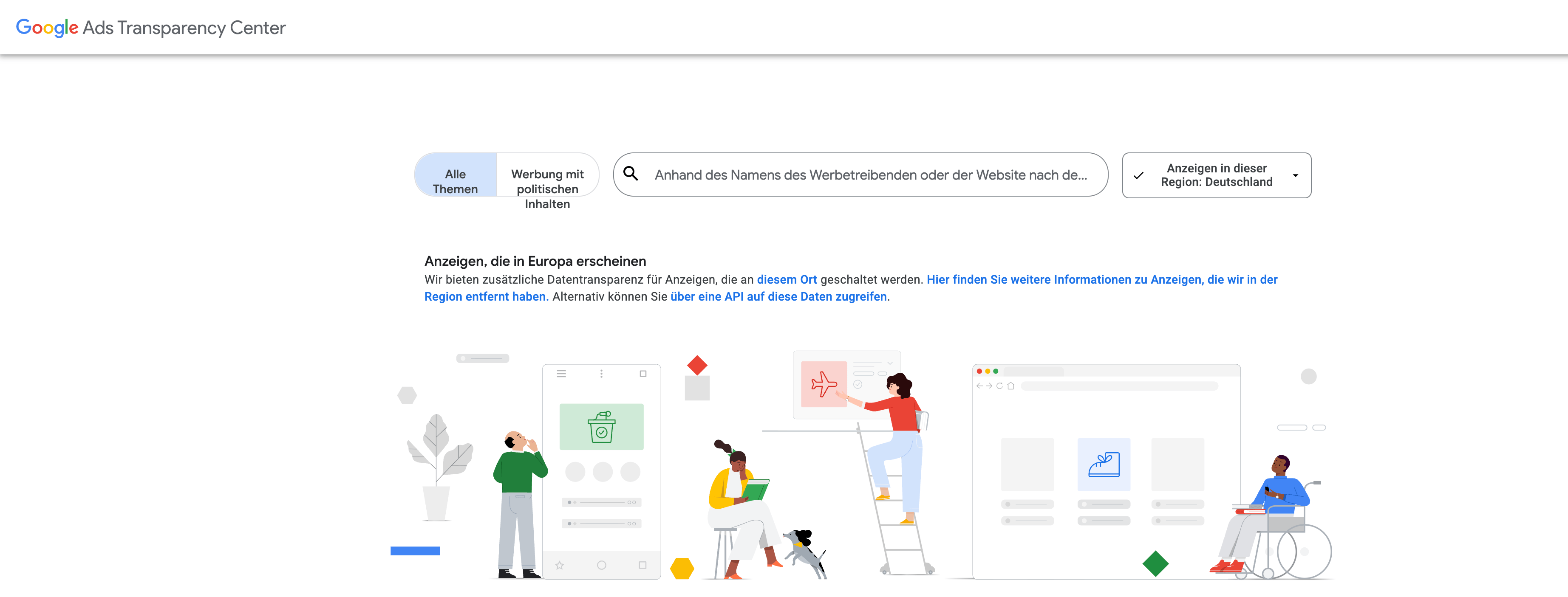
Google Ads Transparency Center
Framer vs. Webflow 2026: Which Website Builder Wins the Duel?

Typography in UI/UX Design: More Than Just Pretty Type

UI/UX Trends 2025: What Companies Need to Know Now to Stay Relevant

From WordPress to Webflow — How ACO left its “update hell” and became a premium brand

The future is now: What the Webflow Conference 2025 really means for marketers
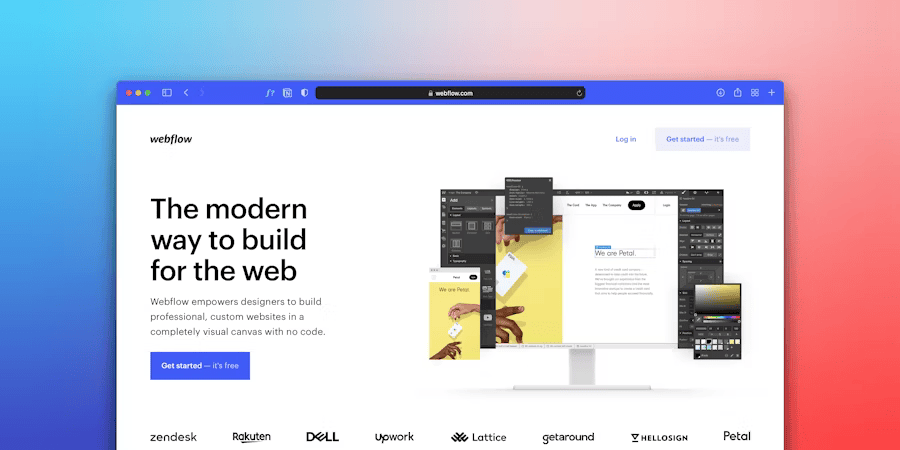
Game changer: Webflow real-time collaboration is here — and it's changing everything

Google Disables #num=100: What the Change Means for SEO, Rank Tracking & Tools

llms.txt: Why this small file determines your future visibility on Google & Co.
Build a website with AI
Webflow agency: Why the right partnership is decisive for your digital success

Building an online shop: From retail store to online shop — your practical guide for a successful start

Webflow & llms.txt: Our practice test shows what it really does

Webflow SEO optimization: 15 advanced strategies for maximum visibility

Barrier-free & GDPR-compliant: How iubenda supports companies in implementing ASA

Webflow vs. Storyblok: 10× SEO boost for SMEs

Accessibility Strengthening Act 2025: The new obligation for digital accessibility

Monitored and exploited: The shocking truth behind your online behavior!

Why no one has come up with the idea yet: The turbo trick with Google ads!

Success with Webflow: relounge.club & marketer UX

Expert explains: How much does advertising cost on Google? Sample calculation & analysis

Search engine optimization (SEO): At the top of Google in just 3 months

Is a blog still worthwhile in 2024?

Have a website created: How to find the perfect partner

NIO Marketing: How to achieve real customer loyalty through innovative strategies

Webflow Intellimize: AI-powered website optimization possible soon!

Google Seo Leak: Anyone can get to number 1!

Marketing psychology: Tesla website analysis

Latest Webflow Features and Updates 2024

The 10 most expensive domain names in the world

Local SEO: The ultimate tips to attract local customers

The power of color psychology in marketing and branding

Tesla's 2024 entry into paid advertising: First visible steps revealed

Webflow vs. WordPress 2026: The Ultimate Comparison

Tesla's new marketing strategy 2023

Chat GPT Revolution - How do you use it correctly?

Website Creation Cost: What to Budget Realistically in 2025/2026

Advertising on the Internet - Boost Your Business Potential Online
SEO Consulting: Process, Costs, and How to Choose the Right Advisor

How Klaus Hübner boosts his company's growth with online marketing

Top 10 Webflow features we've loved as an agency since 2017

Online marketing strategy: Achieving your goal in 6 steps

Marketing law firm: How to attract clients

What is a lead

Learn how to sell

B2B online marketing - That's how it works in business!

Redesign of the company website

Winning customers in the digital age
